
Top-Rated Concrete Repair Kits for Complete Restoration Needs
Find comprehensive repair kits that provide everything required for professional-looking concrete restoration.
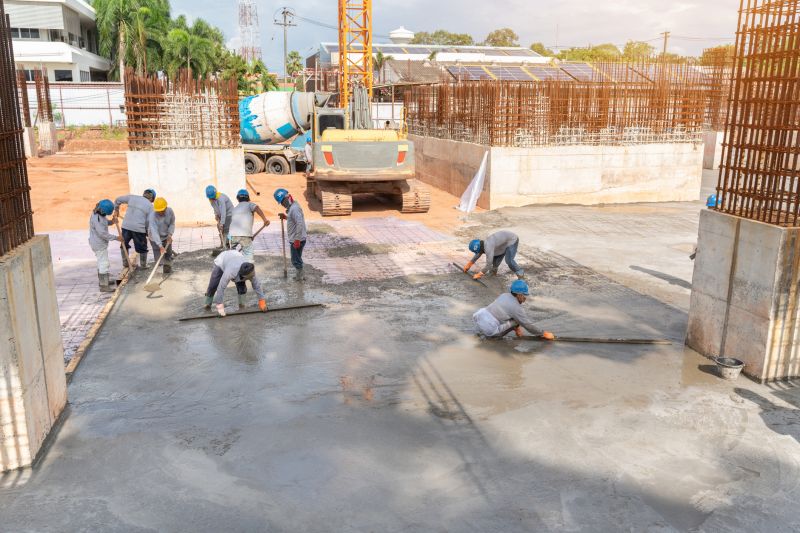 Concrete repair products encompass a wide range of solutions designed to address various types of damage and deterioration in concrete structures. Whether dealing with small cracks, surface spalling, or deeper structural issues, selecting the right product is essential for achieving durable and effective repairs. These products are formulated to bond well with existing concrete, resist environmental factors, and restore the integrity of the surface. Proper preparation and application are key to ensuring the longevity of any repair work.
Top Overall Option
Multi-Purpose Concrete Repair Compound
A versatile concrete repair compound designed for filling cracks, patching surface imperfections, and restoring structural integrity. Its ease of use and compatibility with various concrete surfaces make it suitable for both DIYers and professionals. This product offers good adhesion, durability, and resistance to weathering, making it a reliable choice for a wide range of repair needs.
Types of Products For Concrete Repairs
Concrete Crack Filler
Designed to fill and seal small to medium cracks in concrete surfaces, preventing water ingress and further deterioration.
Epoxy Injection Kits
Used for structural repairs involving deep cracks or voids, providing strong bonding and reinforcement.
Concrete Patch Mix
A ready-mixed or powder form product for patching surface imperfections and spalls.
Surface Sealers
Applied to protect repaired surfaces from moisture, chemicals, and wear.
Polyurethane Foam
Expanding foam used to fill larger voids and stabilize loose concrete sections.
Hydraulic Cement
Specialized for stopping active leaks and sealing cracks exposed to water pressure.
Concrete Resurfacing Products
Overlay materials for restoring the appearance and surface texture of worn concrete.
Bonding Agents
Enhance adhesion between old and new concrete layers during repairs.
Polymer Modified Mortars
High-performance mortars that improve flexibility and adhesion for structural repairs.
Concrete Repair Tubes
Pre-mixed repair compounds in tube form for quick and easy application on cracks and imperfections.
Quick-Set Repair Mortars
Fast-curing mortars suitable for urgent repairs and time-sensitive projects.
Flexible Sealants
Elastic sealants for sealing joints and cracks that experience movement.
Waterproofing Coatings
Protect concrete surfaces from water penetration and related damage.
Popular Choices
Widely used for quick sealing of surface cracks and minor repairs.
Commonly selected for structural crack repairs requiring strong bonding.
Popular for patching damaged or spalled areas on concrete surfaces.
Frequently used to extend the lifespan of repaired surfaces and prevent moisture intrusion.
Chosen for active leak sealing and quick setting in damp conditions.
Ideal for filling large voids and stabilizing loose concrete sections.
Popular for restoring worn or uneven concrete surfaces with a new finish.
Trusted for ensuring strong adhesion between old and new concrete layers.
Valued for urgent repairs that require fast curing times.
Popular for protecting concrete foundations and surfaces from water damage.
Used for sealing joints and cracks that are subject to movement.
Chosen for structural repairs requiring enhanced flexibility and adhesion.
Different repair scenarios call for different types of products. For surface cracks and minor surface damage, patching compounds and fillers are commonly used. For structural cracks or deeper damage, epoxy injections and structural repair mortars provide stronger bonds and reinforcement. Surface coatings and sealants are also important for protecting repaired areas from future damage caused by moisture, chemicals, or temperature fluctuations.
When selecting concrete repair products, it is important to consider the specific conditions of the repair site, including exposure to weather, load-bearing requirements, and the size and depth of the damage. Proper surface preparation, including cleaning and roughening the surface, enhances adhesion. Additionally, understanding the curing time and compatibility with existing concrete can influence the overall success of the repair. Always follow manufacturer instructions carefully to ensure optimal results.
Investing in the right products and understanding their applications can help extend the lifespan of concrete structures, reduce maintenance costs, and improve safety. From small DIY fixes to large-scale repair projects, the market offers a diverse array of solutions tailored to different needs. Selecting high-quality, appropriate materials is a crucial step toward achieving durable, reliable repairs that stand the test of time.
Key Buying Considerations
- Type of damage: Identify whether cracks, spalling, or structural issues are present to select the appropriate product.
- Application method: Consider whether a product is suitable for DIY use or requires professional application.
- Curing time: Determine how quickly the product sets and cures to fit your project timeline.
- Environmental exposure: Choose products that resist weathering, moisture, and chemical exposure relevant to the site.
- Bonding strength: Ensure the product provides adequate adhesion to the existing concrete surface.
- Compatibility: Verify that the repair material is compatible with the existing concrete type and condition.
- Flexibility: For areas prone to movement, select flexible sealants or mortars to accommodate expansion and contraction.
- Surface preparation: Proper cleaning and roughening of the surface enhance adhesion and repair durability.
- Size and scope: Match the product volume and formulation to the size of the repair area.
- Durability: Consider products designed to withstand environmental stressors over time.
- Ease of use: For DIY projects, select user-friendly products with clear instructions.
- Cost: Balance the quality and performance features with your budget constraints.
- Curing conditions: Be aware of temperature and humidity requirements during curing to ensure proper setting.
- Safety: Use products with appropriate safety data and handling instructions.
- Regulatory compliance: Confirm that the product meets relevant standards and certifications for quality and safety.